
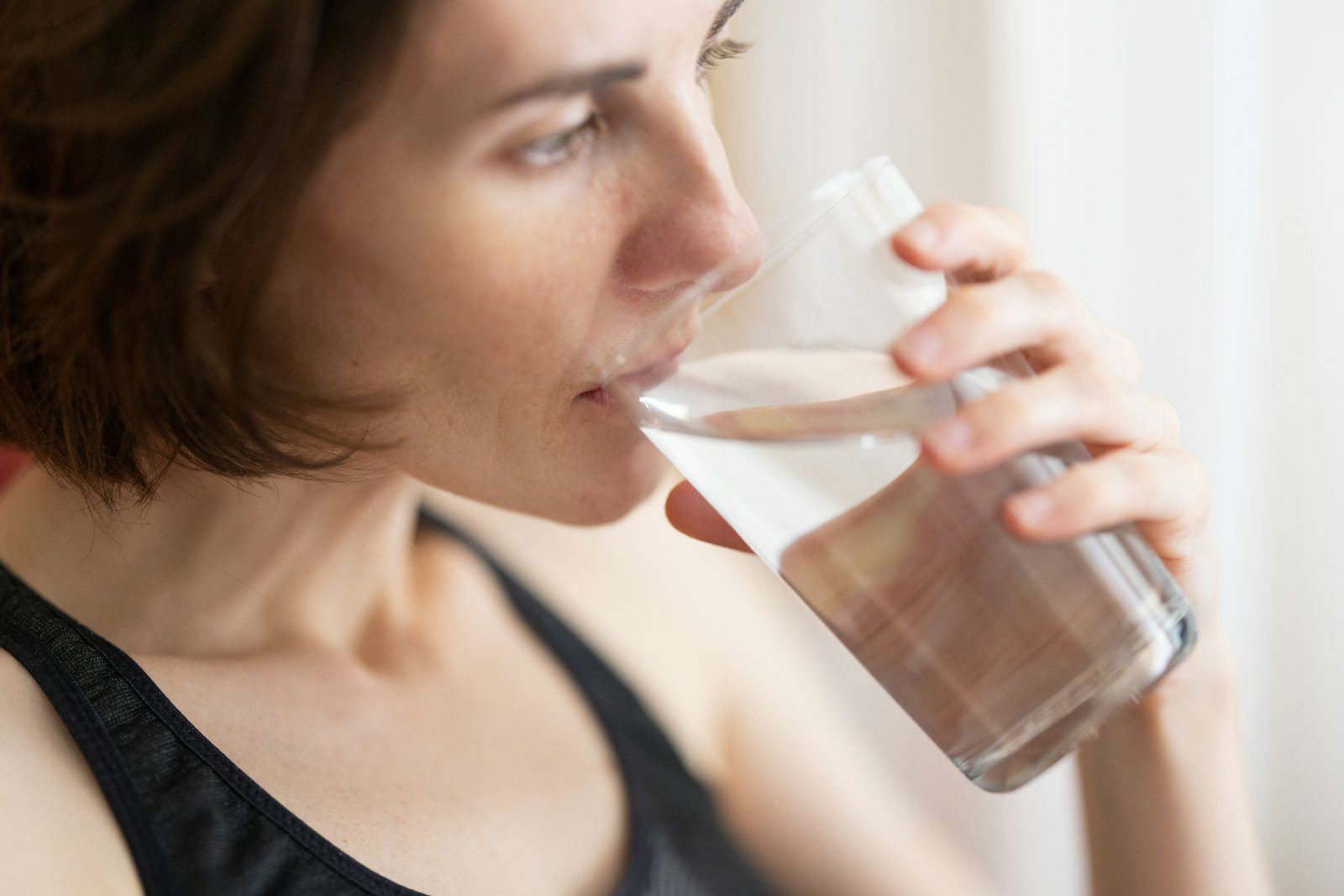
Electrolytes while fasting matter less than supplement ads suggest, but more than most women think once fasts get longer. If you eat normal meals and fast 12 to 16 hours, water plus a salted, vegetable-rich eating window usually covers you. If you’re fasting 18 hours or more, training hard, sweating a lot or getting headaches and cramps, a pinch of salt or a sugar-free electrolyte drink can help. This guide shows you when, how much and what to skip.
We’ll keep it practical. Getting electrolytes while fasting right is mostly about food, water and a salt shaker. No powders you don’t need, no magic numbers, and clear signs that tell you when something is off.
What electrolytes are and why fasting changes things
Electrolytes are minerals that carry an electric charge once they’re dissolved in your body’s fluids. The big ones are sodium, potassium, magnesium, calcium and chloride. They help keep fluid where it belongs, let your nerves send signals and let your muscles (your heart included) contract and relax.
Most days you never think about them. You eat, you drink, your kidneys balance the books. Fasting shifts that a little.
First, food is a major source of both minerals and water. According to the Mayo Clinic’s guide to daily water needs, food supplies about 20% of the water you take in each day. Skip a meal and you skip that water, plus the salt and potassium that came with it.
Second, your kidneys behave differently when you stop eating. Researchers have noticed for decades that the body releases extra sodium and water early in a fast. A 2020 paper on fasting-induced sodium loss in Frontiers in Endocrinology describes this as an abrupt response and notes that the exact mechanism is still debated. You may have felt it yourself: more trips to the bathroom on day one of a new fasting routine.
Put those two together and it makes sense that some women feel headachy, tired or lightheaded during a fast. Often it isn’t hunger. It’s fluid and salt.
Do you need electrolytes for intermittent fasting?
Most women don’t need a supplement for daily intermittent fasting. How much attention you give to electrolytes while fasting depends mainly on how long you go without food. Here’s our take, broken down by fast length.
| Fast length | Do you need extra electrolytes? | What usually works |
|---|---|---|
| 12:12 or 14:10 | Rarely | Water through the day, normal salted meals |
| 16:8 | Usually not | Water, black coffee or plain tea, a salty and vegetable-heavy first meal |
| 18:6 or 20:4 | Sometimes | A pinch of salt in water if you feel off, potassium-rich foods in your window |
| 24 hours or longer | Often helpful | A sugar-free electrolyte drink or salted broth; talk to your doctor before regular long fasts |
| Any fast plus sweaty exercise or heat | Often helpful | Replace fluid and sodium after training, eat soon after if you can |
If you’re new to time-restricted eating, start with our guide to 16:8 intermittent fasting for women. Most of what we say below assumes a schedule in that range.
One more thing. Women who eat very little salt to begin with, or who cut processed food at the same time they start fasting, can drop their sodium intake a lot in one go. That’s when the “keto flu” style headaches tend to show up. The fix is often as simple as salting your food again.
The three electrolytes while fasting that matter most
Calcium and chloride matter too, but sodium, potassium and magnesium are the ones women most often run short on, or overdo, around fasting.
| Electrolyte | Main job | Daily guide for adult women | Easy food sources |
|---|---|---|---|
| Sodium | Holds water in your blood and around your cells | Less than 2,300 mg a day for adults (about 1 teaspoon of salt) | Table salt, broth, olives, cheese, pickles |
| Potassium | Nerve signals, muscle contraction, heart rhythm | 2,600 mg a day (adequate intake) | Lentils, beans, potatoes, bananas, milk, yogurt |
| Magnesium | Muscle and nerve function, energy use | 310 mg (ages 19 to 30) or 320 mg (31 and older) | Pumpkin seeds, chia seeds, almonds, spinach, cashews |
Sodium: the electrolyte people forget
The FDA’s sodium guidance says adults should keep sodium under 2,300 mg a day, which is about one teaspoon of table salt. The same page says Americans eat about 3,400 mg on average. So for most people the problem is too much salt, not too little.
Fasting is the exception that catches people out, and sodium is usually the first of your electrolytes while fasting to run low. Less food means less salt, and the kidneys let go of more of it in the early hours of a fast. If you mostly cook from scratch and fast long hours, you can end up low without noticing.
You don’t need to measure. A small pinch of salt in a glass of water during a long fast, or properly seasoned food when you eat, is usually enough. If you have high blood pressure, heart failure or kidney disease, ask your doctor before adding salt.
Potassium: get it from food
The NIH Office of Dietary Supplements potassium fact sheet sets the adequate intake for adult women at 2,600 mg a day. Lentils, kidney beans, a baked potato, a banana and a glass of milk are all solid sources. A cup of cooked lentils alone has over 700 mg.
We’d skip potassium pills. The same fact sheet notes that over-the-counter potassium supplements are small doses, and that very large amounts can cause dangerous heart rhythm problems. It also warns that people with kidney disease, or who take ACE inhibitors, ARBs or potassium-sparing diuretics, can build up too much potassium. Salt substitutes are a hidden source here, because they swap sodium for potassium. Check with your doctor before using one if any of that applies to you.
Magnesium: food first, supplements with care
Adult women need 310 to 320 mg of magnesium a day, according to the NIH magnesium fact sheet for health professionals. A handful of pumpkin seeds, a spoon of chia, some almonds or a portion of spinach goes a long way.
Magnesium supplements are popular with fasters, especially at night. That’s fine for many people, but the NIH sets the upper limit for supplemental magnesium at 350 mg a day for adults. Go past that and diarrhea is the classic side effect, which is the last thing you want during a fast. Forms such as citrate and chloride tend to be absorbed better than oxide. People with kidney problems should not take magnesium supplements without medical advice.
Hydration while fasting: how much water do you need?
There’s no single number. Mayo Clinic says some studies suggest a healthy adult does well with roughly 2.7 to 3.7 liters of total fluid a day from all sources, and that needs change with body size, activity and climate. Since food normally covers about a fifth of that, you’ll want to drink a bit more on fasting days.
Simpler than counting: look at your urine. Mayo Clinic says pale yellow or colorless urine, plus rarely feeling thirsty, usually means you’re drinking enough.
Good news for coffee and tea lovers. Mayo Clinic also says coffee and tea count toward your daily fluid. Black coffee and plain tea won’t break your fast either. See our full list in what breaks a fast.
Can you drink too much water?
Yes, though it’s rare. Some women chug huge amounts of plain water to quiet hunger. Drinking far more than your kidneys can clear can push your blood sodium too low, a condition called hyponatremia. Mayo Clinic notes it can be life-threatening. Sip steadily through the day. Don’t force down liters at once.
A simple hydration routine for fasting days
- Drink a glass of water when you wake up.
- Keep a bottle with you and sip through the morning, rather than drinking a lot at once.
- Have black coffee or plain tea if you like it. It counts.
- On long fasts or hot days, add a small pinch of salt to one glass.
- Break your fast with a meal that includes salt, vegetables and a protein.
- Check urine color mid-afternoon. Dark yellow means drink more.
Signs you’re low on electrolytes while fasting
The Cleveland Clinic’s overview of electrolyte imbalance lists symptoms such as:
- Headaches
- Fatigue
- Muscle cramps, spasms or weakness
- Nausea
- Numbness or tingling in your hands or feet
- Confusion or irritability
- A fast or irregular heartbeat
A mild headache or a calf cramp on a long fast is common and often settles with water and a little salt, or with eating. But some symptoms are a stop sign. If you feel your heart racing or skipping, get confused, feel faint, or have ongoing vomiting or diarrhea, end the fast and contact a doctor. If it feels severe, get emergency care.
Cleveland Clinic also notes that a slight imbalance may cause no symptoms at all. That’s one reason long or frequent extended fasts are worth discussing with your doctor first, especially if you take medication.
Do electrolytes break a fast?
Plain electrolytes don’t. Taking electrolytes while fasting is fine as long as they come without calories. Sodium, potassium and magnesium have no calories, so salt in water or an unflavored electrolyte powder won’t break your fast.
The catch is what comes with them. Many sports drinks are full of sugar. Some electrolyte powders add fruit juice, maltodextrin or other carbohydrates. Read the label. If there are calories from sugar, it’s a snack, not a fasting drink. Zero-calorie sweeteners are a gray area; some people find they make them hungrier.
Broth is another one people ask about. A cup of clear broth has a few calories and a good dose of sodium. On a strict fast it technically counts as food. On a long fast where you feel rough, a cup of broth is a sensible trade-off, and we’d pick it over pushing through dizziness.
Electrolytes while fasting and exercising
Training fasted adds sweat to the mix. Sweat carries sodium out, along with smaller amounts of potassium and magnesium. A short walk or a 30-minute gym session in a cool room won’t change much. A long run, a hot yoga class or a summer bike ride can.
Our view: if you sweat through your clothes, replace fluid and some sodium after the session, and try to train close to your eating window so you can refuel with a real meal. Our guide to intermittent fasting and exercise for women covers timing in detail.
Homemade vs store-bought electrolyte drinks
You can buy electrolyte powders, or you can use what’s in your kitchen.
| Option | Pros | Watch out for |
|---|---|---|
| Pinch of salt in water | Cheap, no calories, easy | Too much tastes awful and adds up fast |
| Unflavored or zero-sugar electrolyte powder | Convenient, measured amounts | Added sugars, sweeteners, high magnesium doses |
| Classic sports drink | Good after long, hot workouts | Sugar, so it breaks your fast |
| Clear broth | Salty, warm, comforting on long fasts | Small number of calories, high sodium |
| Coconut water | Natural potassium | Contains sugar, so save it for your eating window |
If you want electrolytes while fasting for longer than a day, a powder with clearly listed amounts makes it easier to avoid overdoing magnesium. A sensible homemade version for a long fast: a small pinch of salt in a large glass of water, sipped slowly. That’s it. Leave potassium to your meals.
What to eat in your window to stay topped up
Your eating window does most of the work. If your meals are mostly beige and low on plants, no powder will fix that. Build meals around:
- Beans and lentils for potassium and magnesium
- Potatoes and sweet potatoes (skin on) for potassium
- Leafy greens like spinach for magnesium
- Nuts and seeds such as pumpkin seeds, almonds and chia
- Dairy or fortified alternatives for calcium and potassium
- Fruit such as bananas, oranges and melon, which also add water
- Enough salt to make food taste good, unless your doctor says otherwise
For meal ideas that are gentle on your stomach after a fast, read what to eat when breaking a fast.
Common mistakes with electrolytes while fasting
Most problems we hear about come from doing too much, not too little. Watch out for these:
- Taking a supplement “just in case” on a 14-hour fast. Your body handles this fine with water and normal meals. Save the powder for when you need it.
- Stacking magnesium. An electrolyte powder, a sleep supplement and a magnesium-fortified drink can add up past the 350 mg supplemental limit. Add up the labels.
- Using salt substitutes without checking. They’re mostly potassium. That’s a real risk if you have kidney issues or take certain blood pressure medicines.
- Drinking huge amounts of plain water to kill hunger. Steady sipping beats chugging.
- Ignoring the eating window. Electrolytes while fasting can only do so much if your meals are low in vegetables, beans and fruit.
- Pushing through warning signs. A racing heart, confusion or feeling faint means stop and eat, not grit your teeth.
If you track your fasts, jot down how you feel on days you get headaches. Patterns show up quickly. Maybe it’s always the days you skip your morning coffee, or the long fast after a salty dinner the night before is easier than the one after a light salad.
Who should not fast, or should talk to a doctor first
Fasting isn’t right for everyone. Skip it, or get medical advice first, if any of these apply to you:
- You’re pregnant or breastfeeding.
- You have a history of an eating disorder.
- You have diabetes or take medication that lowers blood sugar, such as insulin.
- You’re under 18.
- You have kidney disease, heart disease or high blood pressure, or take diuretics, ACE inhibitors or ARBs. These change how your body handles sodium and potassium.
- You’ve been told to limit salt, potassium or fluid.
If you feel unwell during a fast, eating is always allowed. A fast is a tool, not a test.
Frequently asked questions
Do electrolytes break a fast?
No, plain electrolytes don’t break a fast because sodium, potassium and magnesium have no calories. Salt in water or an unflavored, sugar-free powder is fine. Check labels, though. Many sports drinks and some powders contain sugar or other carbohydrates, and those do count as food during your fasting window.
Do I need electrolytes for 16:8 fasting?
Most women don’t need electrolyte supplements for 16:8 fasting. Drinking water through the fast and eating salted, vegetable-rich meals in your window usually covers it. Consider a pinch of salt in water if you get headaches, feel lightheaded, sweat heavily during training or fast in hot weather.
How much water should I drink while fasting?
There’s no single number, but drink a little more than usual, because food normally supplies about 20% of your daily water. Sip steadily through the day and check your urine. Pale yellow or colorless urine and rarely feeling thirsty are good signs. Avoid forcing down large amounts at once.
Can I put salt in my water while fasting?
Yes, a small pinch of salt in water won’t break your fast and can help with headaches or dizziness on longer fasts. Keep it small and sip slowly. If you have high blood pressure, heart disease or kidney disease, or have been told to limit sodium, ask your doctor before adding salt.
Should I take magnesium while fasting?
You can, but most women get enough magnesium from food like seeds, nuts, beans and leafy greens. If you use a supplement, stay at or under 350 mg a day from supplements, as set by the NIH, because more often causes diarrhea. Take extra care with kidney problems, and ask your doctor first.
What are signs of low electrolytes during a fast?
Common signs include headaches, tiredness, muscle cramps, nausea, tingling in your hands or feet and irritability. A racing or irregular heartbeat, confusion or feeling faint are more serious. If those happen, stop fasting and contact a doctor the same day. Get emergency care if symptoms feel severe.
The bottom line
Electrolytes while fasting don’t need to be complicated. For everyday intermittent fasting, keep it simple: drink water, enjoy your black coffee or tea, salt your food and eat plenty of beans, greens, potatoes, nuts and fruit in your window. Save electrolyte drinks for long fasts, hot days and sweaty workouts. And listen to your body. Headaches and cramps are signals, not something to push through.
If you’d like help keeping your fasts at a length that suits you, the FastHer app has a simple fasting timer, plans that take your cycle into account and little Helper characters you collect as you go. It’s a gentle way to build the habit without overthinking it. FastHer is built for women from the start, and it’s launching on iOS and Android.
This article is general information, not medical advice. Talk to your doctor before changing how you eat, especially if you have a health condition or take medication.
Discover more from FastHer
Subscribe to get the latest posts sent to your email.