
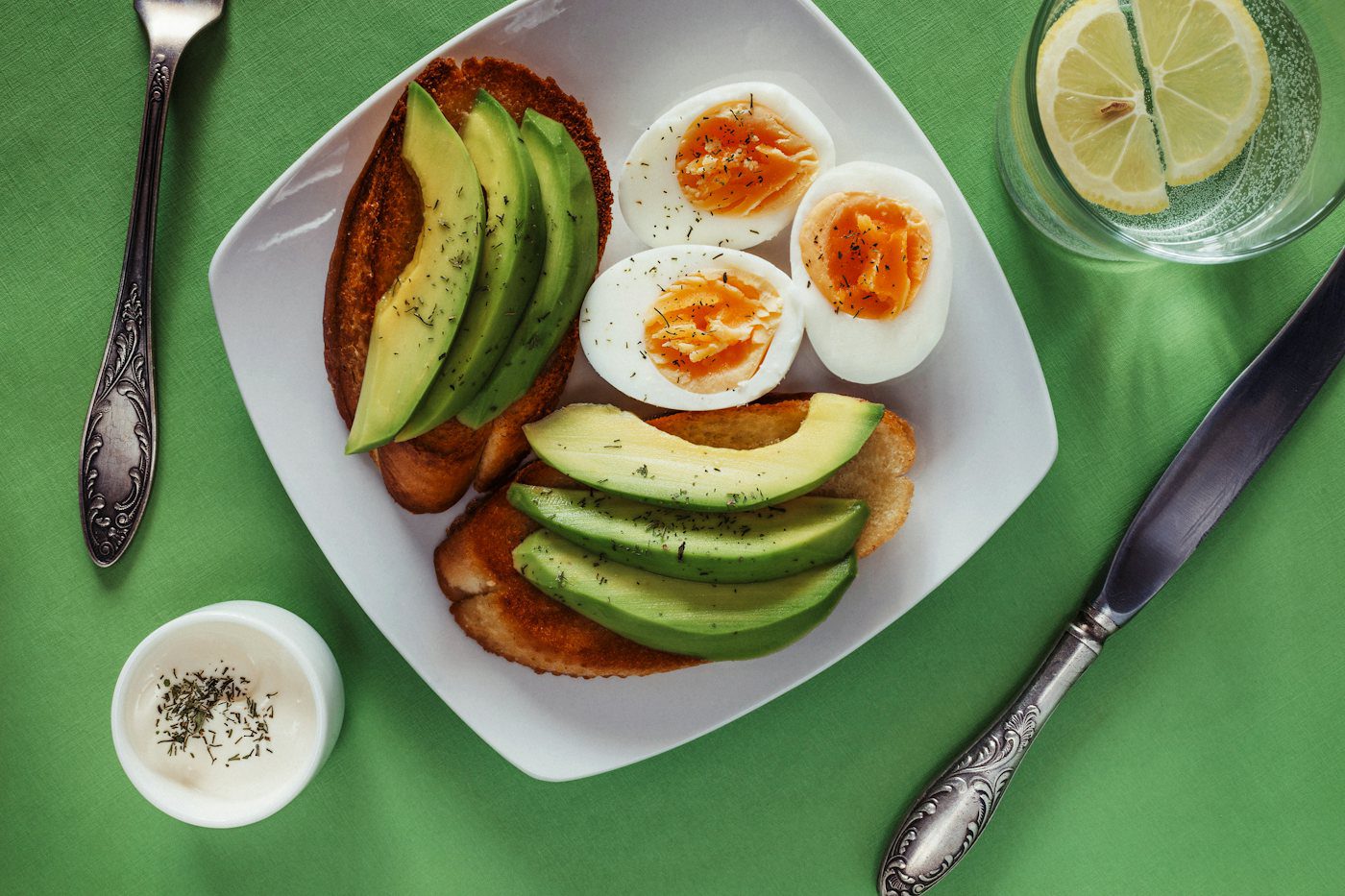
Intermittent fasting for beginners works best when you start smaller than you think you need to. Begin with a 12-hour overnight fast, stretch it by an hour every few days, and give your body about two weeks to settle in before you judge anything. This guide walks you through those first 14 days: which schedule to pick, what to eat and drink, what feels normal, and when to stop.
Most women who quit fasting don’t quit because it “doesn’t work.” They quit because they jumped straight to 16 or 18 hours, felt awful by Wednesday, and decided their body just isn’t built for it. A slower start fixes most of that.
What intermittent fasting for beginners actually looks like
Intermittent fasting means you eat during a set window and don’t eat outside it. That’s it. You aren’t told what to eat, only when. The most common version, time-restricted eating, keeps all your meals inside one daily window. Another style, like 5:2, cuts calories hard on two days a week and eats normally on the rest.
For a beginner, time-restricted eating is the easier door in. Your overnight sleep already covers a big chunk of the fast, so a 12-hour fast can be as simple as finishing dinner at 7 p.m. and having breakfast at 7 a.m. You’ve probably done that by accident plenty of times.
Here’s what fasting isn’t: a shortcut. Cleveland Clinic’s dietitians point out that fasting isn’t a weight-loss shortcut and you still need good eating habits inside the window. Where it often helps is structure. A clear “kitchen closed” time cuts out late-night snacking, which is where a lot of mindless eating happens.
It’s also fair to say what the research does and doesn’t show. In a 12-month trial published in the New England Journal of Medicine, 139 adults with obesity all cut calories, and half of them also ate only between 8 a.m. and 4 p.m. The time-restricted group lost a little more weight, but the difference wasn’t statistically significant. So the window itself isn’t magic. What matters is whether it helps you eat well in a way you can keep up.
How to start intermittent fasting: a quick checklist
Ten minutes of setup makes the first week much easier. Run through this before Day 1.
- Check the “talk to a doctor first” list further down. If any of it applies to you, start there.
- Look at your real week. Late work dinners, early gym classes, kids’ breakfast, weekend brunch. Pick a window that fits your life, not someone else’s.
- Choose your closing time. For most beginners, the evening cutoff is the easiest lever to pull. Pick a time you can hit five days out of seven.
- Stock your fasting drinks. Water, sparkling water, plain tea, black coffee.
- Plan your first meal. Know what you’ll eat when the window opens so you don’t grab whatever is closest.
- Pick a simple way to track. A timer app or a note on your phone. You want to see your start and stop times, not obsess over them.
- Write down why you’re doing it. More energy in the afternoon? Fewer late-night snacks? A clear reason helps on Day 4 when it feels annoying.
Pick a starting schedule that fits your life
There’s no prize for starting at 16:8. The best beginner intermittent fasting schedule is the one you can repeat on a normal Tuesday. Here’s how the common options compare for someone in week one or two.
| Schedule | Fasting / eating hours | Example day | Good fit for | Beginner difficulty |
|---|---|---|---|---|
| 12:12 | 12 hours fasting, 12 hours eating | Eat 7 a.m. to 7 p.m. | Day 1 for almost everyone | Easy |
| 13:11 | 13 hours fasting, 11 hours eating | Eat 8 a.m. to 7 p.m. | Your first small stretch | Easy |
| 14:10 | 14 hours fasting, 10 hours eating | Eat 9 a.m. to 7 p.m. | Week two, if week one felt fine | Moderate |
| 16:8 | 16 hours fasting, 8 hours eating | Eat 11 a.m. to 7 p.m. | After a few weeks, if you want more | Harder |
| 5:2 | 2 low-calorie days a week | Normal eating 5 days | People who hate daily rules | Harder for most beginners |
If you want the long version of each option, our guide to the best intermittent fasting schedule for women compares 12:12, 14:10, 16:8, 5:2 and OMAD side by side.
One opinion, stated plainly: skip OMAD (one meal a day) and anything longer than a day while you’re new. Johns Hopkins Medicine notes that fasts of 24 hours or more aren’t necessarily better and may be dangerous. Longer isn’t braver. It’s just longer.
Your first two weeks of intermittent fasting, day by day
This plan stretches your fast slowly so your hunger, sleep and energy can catch up. If a step feels rough, stay where you are for a few more days. Nothing breaks if you go slower.
Days 1 to 3: Close the kitchen at night (12:12)
Pick your evening cutoff and stick to it. If dinner ends at 7 p.m., breakfast is at 7 a.m. That’s your whole job for three days.
The hard part here isn’t the morning. It’s 9 p.m., when you’d normally grab something from the pantry. Brush your teeth early, make a cup of herbal tea, or just notice the craving and let it pass. Evening snacking is often habit more than hunger, and the habit fades faster than you expect.
Days 4 to 7: Push breakfast back a little (13:11)
Keep the same evening cutoff and move your first meal back by about an hour. A 7 p.m. dinner and an 8 a.m. breakfast gives you 13 hours.
Have water or black coffee when you wake up. If you’re truly hungry before your window opens, eat. You’re teaching your body a new rhythm, not testing your willpower.
Days 8 to 10: Try 14:10
If the first week felt okay, add one more hour. Breakfast at 9 a.m. with the same 7 p.m. cutoff gets you to 14 hours. Many women find 14:10 is where they want to stay, and that’s a perfectly good place to land.
Watch how you sleep and how your afternoon energy feels. Those two signals tell you more than the scale does in week two.
Days 11 to 14: Settle in and decide what’s next
Hold steady at whichever window feels best: 13, 14 or, if you’re curious, a couple of days at 15 or 16. At the end of Day 14, ask yourself three questions. Am I sleeping okay? Am I eating real meals, not just snacks? Do I feel mostly fine during the fast? If all three are yes, keep going. If you want to try 16:8 later, step up one hour at a time, the same way you did here.
Johns Hopkins Medicine cites neuroscientist Mark Mattson’s research suggesting it can take two to four weeks for your body to adjust. You might feel hungry or cranky early on. That’s why two weeks is the minimum before you judge anything.
What to eat in your eating window
The window doesn’t fix a diet built on chips and drive-through. If anything, a shorter window makes food quality matter more, because you have fewer meals to get what you need. Johns Hopkins recommends a Mediterranean-style pattern: leafy greens, healthy fats, lean protein and whole grains. It also warns against packing the window with huge, high-calorie meals.
A simple plate for most meals:
- Protein first: eggs, Greek yogurt, fish, chicken, tofu, beans or lentils.
- Fiber next: vegetables, fruit, oats, whole grains.
- Some fat: olive oil, avocado, nuts, seeds.
- Something you enjoy: yes, really. A plan with zero pleasure doesn’t last.
Your first meal sets the tone. A gentle, protein-forward meal tends to sit better than a giant pastry or a huge bowl of pasta. Eggs with vegetables, yogurt with fruit and nuts, or a bowl of lentil soup are all easy starts.
Try not to shrink your food along with your window. Two good meals plus a snack inside 10 hours is a normal day. Under-eating is one of the fastest ways to feel tired, moody and done with fasting by Day 6.
What you can drink while fasting
During the fasting hours, stick to drinks with no calories. Johns Hopkins lists water and zero-calorie drinks such as black coffee and plain tea as fine during the fast.
- Yes: water, sparkling water, black coffee, plain black, green or herbal tea.
- Skip during the fast: milk or cream in coffee, juice, smoothies, sweet coffee drinks, bone broth, protein shakes. Save them for your eating window.
- Go easy on: lots of coffee on an empty stomach. It can make some people jittery or queasy.
The rules get blurrier with things like diet soda, gum and supplements. Our plain-English guide on what breaks a fast goes through them one by one.
What the first week of intermittent fasting feels like
Let’s be real about this part. The first week isn’t always comfortable. A few things are common and usually ease as you adjust.
- Hunger at your usual meal times. Your body expects food when it normally gets it. These waves tend to pass if you drink something and keep busy.
- Feeling tired or a bit foggy. Often worse if you’re under-eating or under-sleeping.
- Headaches. Often tied to not drinking enough or cutting your usual coffee timing.
- Irritability. “Hangry” is real, and it usually fades as your body adjusts.
- Constipation. Fewer meals can mean less fiber and fluid. Add both back in.
A 2024 review of randomized trials in Nutrition Journal looked at adverse events in adults with overweight or obesity. The most common ones reported with intermittent fasting were fatigue, headache, constipation and dizziness. But fasting wasn’t linked to a higher overall risk of side effects than the comparison diets, and fatigue was just as common in the control groups.
Mayo Clinic lists similar possible effects: feeling very tired and dizzy, headaches, mood swings, constipation and changes to the menstrual cycle. That last one matters for women. If your period changes, gets lighter or goes missing after you start fasting, widen your window and talk to your doctor.
When to stop and call a doctor: fainting, a racing heart, ongoing dizziness, unusual anxiety, or nausea that doesn’t settle. Johns Hopkins specifically flags unusual anxiety, headaches or nausea as reasons to check in. For more on handling the milder stuff, read our guide to intermittent fasting side effects.
Intermittent fasting for beginner women: cycle, sleep and training
Women aren’t small men, and a fasting plan written for a 25-year-old guy with no period, no kids and a flexible schedule may not fit your week. Three things are worth planning around from the start.
Your cycle
Many women notice more hunger and lower patience in the days before their period. You don’t have to white-knuckle through it. Shorten your fast by an hour or two that week and go back to your usual window afterward. A flexible plan you keep beats a strict plan you quit.
Your sleep
Some people sleep worse after a big meal right before bed, and going to bed starving doesn’t help either. If you’re waking up hungry at 3 a.m., your window is probably too short or your last meal too small. Fix the dinner first, then worry about the hours.
Your workouts
You don’t need to stop exercising. Easy walks and gentle movement during the fast usually feel fine. For harder sessions, many beginners do better training inside or close to their eating window, and getting a protein-rich meal afterward. If you lift weights, protect your protein intake.
Beginner mistakes that make fasting harder
Most problems with intermittent fasting for beginners come from a short list of mistakes. Avoid these and you’ll have a much easier time.
- Starting at 16:8 or longer. Big jumps cause big hunger. Start at 12 hours.
- Not drinking enough. A lot of what feels like hunger or a headache is thirst. Keep water nearby all day.
- Eating too little in the window. Fasting isn’t a reason to skip lunch too. Eat full meals.
- Making up for it with junk. Fasting all morning, then eating a sleeve of cookies at noon, leaves you tired and hungry again by 3 p.m.
- Changing everything at once. New window, new diet, new workout plan and less sleep all in the same week is a lot. Change the window first.
- Treating a missed day as failure. A birthday dinner or a rough night isn’t a reset. Pick up your normal window the next day.
- Weighing yourself every morning. Daily weight jumps around for lots of reasons. If you track weight at all, look at the trend over weeks.
How to tell if intermittent fasting is working for you
“Working” doesn’t only mean the number on the scale. In the first two weeks, better signals are things you feel day to day.
- You’re not snacking late at night as much.
- Your afternoon energy is the same or better.
- You’re sleeping as well as before, or better.
- Hunger during the fast feels manageable, not miserable.
- Your period is on its usual schedule.
- You don’t think about food all day.
If the opposite is happening (you’re obsessing over food, your sleep is wrecked, your cycle changed, or you feel worse after two to four weeks), fasting may not be the right tool for you right now. That’s a real answer, not a failure. Plenty of people do well with three regular meals and no window at all.
Who should not fast or should talk to a doctor first
Intermittent fasting isn’t safe for everyone. Johns Hopkins and Mayo Clinic both list groups who should skip it or get medical advice before starting. Don’t try intermittent fasting without your doctor’s okay if any of these apply:
- You’re pregnant or breastfeeding. Your body needs steady fuel for two.
- You have a history of eating disorders. Strict eating windows can trigger restrictive or obsessive patterns.
- You have diabetes or take insulin or other blood-sugar medication. Fasting can cause dangerous lows, and doses may need changing. Cleveland Clinic says fasting can be dangerous for people with certain conditions, such as diabetes.
- You’re under 18. Teens are still growing and shouldn’t restrict eating windows.
- You’re at high risk of bone loss or falls, which Mayo Clinic also flags.
- You take medication that needs food, or you have any ongoing health condition. Ask your doctor or pharmacist how fasting fits.
Intermittent fasting for beginners: FAQ
How many hours should a beginner fast?
A beginner should start with about 12 hours of fasting, which mostly happens while you sleep. Finish dinner at 7 p.m. and eat breakfast at 7 a.m. After a few comfortable days, add one hour. Many women settle at 13 or 14 hours and never need to go further.
What happens in the first week of intermittent fasting?
In the first week you’ll likely feel hungry at your usual meal times, and some people get headaches, tiredness or irritability. These usually ease as your body adjusts, which can take two to four weeks. Drink plenty of water, eat full meals in your window, and start with a short fast.
Can I drink coffee while intermittent fasting?
Yes, black coffee is fine during your fasting hours because it has almost no calories. Plain tea and water are fine too. Adding milk, cream, sugar or syrups adds calories, so save those for your eating window. If coffee on an empty stomach makes you jittery, have less or switch to tea.
Is 12 hours of fasting enough to see results?
Twelve hours is enough to build the habit, and for some women it’s the only window they need. Research suggests the eating window matters less than what and how much you eat overall. If 12:12 helps you stop late-night snacking and eat better meals, that’s a real result.
What should I eat to break my fast?
Break your fast with a balanced meal built around protein and fiber, like eggs with vegetables, Greek yogurt with berries and nuts, or a lentil soup. Start with a normal-sized plate rather than a huge meal. Drink water with it, and save very sugary or greasy foods for later in the window.
The bottom line
Intermittent fasting for beginners comes down to a few habits. Start at 12 hours. Add an hour every few days. Eat real meals, drink plenty of water, and give it two full weeks before you decide anything. If your sleep, mood or cycle takes a hit, widen your window or stop. Fasting is a tool, and it only helps if it fits your life.
FastHer is built for women, so it’s a good fit for this kind of slow start: a fasting timer, cycle-aware plans so your window can flex during the weeks you need it to, and a clear view of your start and stop times. Collecting little Helper characters as you go makes showing up each day a bit more fun. FastHer is launching on iOS and Android.
This article is general information, not medical advice. Talk to your doctor before you start fasting, especially if you have a health condition or take medication.
Discover more from FastHer
Subscribe to get the latest posts sent to your email.